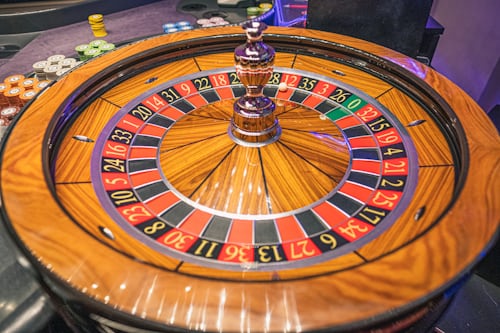
The cultural significance of casinos in modern society
Historical Roots of Casinos
Casinos have a rich history that stretches back centuries, evolving from simple games of chance to the elaborate entertainment hubs we see today. Originally, gambling was often tied to social gatherings and was viewed as a leisure activity among various cultures. This long-standing tradition has helped shape our modern perceptions of casinos, embedding them into the fabric of societal interaction and community bonding. Today, many people look for betting sites aus that reflect this historical significance.

The transformation of casinos began in the 17th century with the establishment of the first formal gambling houses in Europe. These venues became centers of not only gaming but also culture, where art, music, and social discourse flourished. As they spread globally, casinos adapted to local customs, further enhancing their cultural significance and making them focal points for social engagement.
Casinos as Social Spaces
In modern society, casinos serve as vibrant social spaces that foster community interaction. They attract diverse groups of people, from tourists seeking entertainment to locals enjoying a night out. This melting pot of individuals promotes social networking and cultural exchange, enriching the communal experience.
Moreover, casinos often host events beyond gambling, such as concerts, culinary festivals, and art exhibitions. These activities encourage engagement and create a lively atmosphere, making casinos a hub for entertainment and socialization. The inclusive nature of these venues allows individuals from various backgrounds to connect over shared experiences, contributing to a sense of belonging.
Economic Impact of Casinos
Casinos also play a significant role in local and national economies. They generate substantial revenue through gambling, tourism, and employment opportunities. The influx of visitors to casinos boosts local businesses, such as restaurants, hotels, and retail shops, creating a ripple effect that stimulates economic growth.
Furthermore, the taxation revenue generated by casinos can be reinvested into community projects, education, and infrastructure, enhancing the quality of life for residents. This economic contribution underscores the importance of casinos as more than just entertainment venues; they are vital components of economic development and sustainability.
Casinos and Cultural Identity
Casinos often reflect and shape the cultural identity of the regions they inhabit. Each casino showcases unique architectural designs and themes that resonate with local heritage, making them landmarks of cultural pride. This connection to local identity helps create a distinctive atmosphere that attracts both residents and tourists.
Additionally, casinos frequently incorporate local art and entertainment, highlighting regional talent and promoting cultural heritage. By celebrating local traditions and aesthetics, casinos contribute to the preservation of cultural identity while simultaneously appealing to a global audience.

Conclusion: The Role of Casinos in Modern Culture
In conclusion, casinos hold a multifaceted cultural significance in contemporary society. They serve as historical landmarks, social gathering places, economic powerhouses, and cultural showcases. As they continue to evolve, casinos will likely maintain their status as vibrant centers for community engagement and cultural expression.
Understanding the depth of their impact enriches our appreciation for these establishments and their role in shaping modern cultural landscapes. For more insights into this dynamic topic, explore dedicated platforms that delve into the fascinating world of casinos and their cultural relevance.